Comparison · 11 minute read
Marble vs. quartzite — honest comparison.
The two most-asked-about stones for kitchen counters. They look almost identical at a glance. They behave nothing alike under a kitchen knife. Here's the durability math, the sourcing trail, and the dollars.
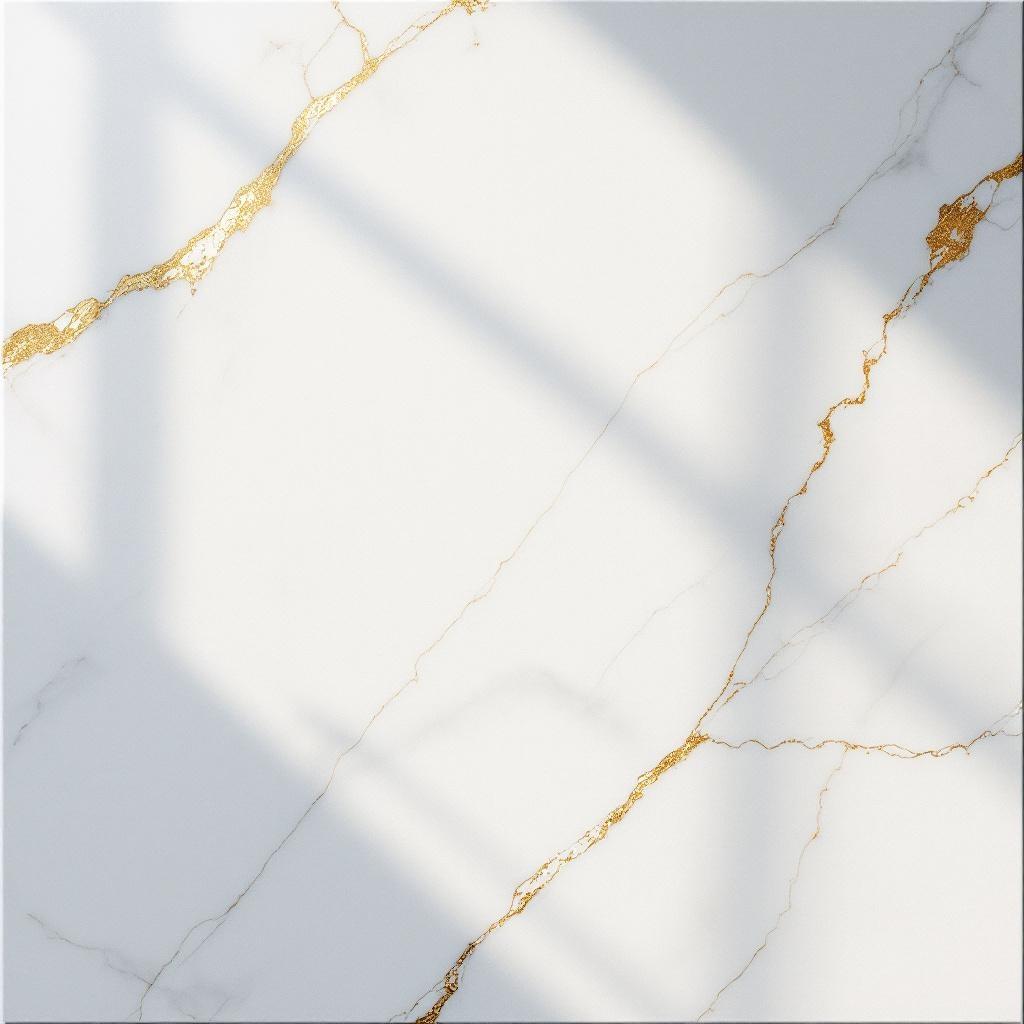
Almost every counter-stone conversation in 2026 starts the same way: “What’s the difference between marble and quartzite?” The honest answer is that they look similar by design — both are metamorphic, both develop dramatic veining, both photograph beautifully under a window. But one is a softer carbonate that etches under lemon juice, and one is a harder silicate that doesn’t. After a decade of installs, the difference is everything.
- Mohs hardness · marble
- 3
- Mohs hardness · quartzite
- 7
- Median time before re-honing
- 10y
Softer than glass. Etches with anything acidic — citrus, tomato, vinegar.
Harder than glass. Resists scratches, resists etching, resists the average kitchen accident.
Quartzite holds its finish for a decade with normal sealing. Marble develops patina within months.

Marble — what it is.
Marble is metamorphosed limestone. Calcium carbonate, recrystallized under heat and pressure over a hundred million years. The dramatic veining you see in a Calacatta or a Carrara slab is dolomite, mica, or iron impurity that flowed through the rock before it cooled.
At a Mohs hardness of about 3, it’s softer than a steel knife. A drop of lemon juice will etch the surface in minutes — the calcium carbonate reacts with the citric acid and dissolves a microscopically thin layer. That’s called “etching,” and depending on who installs it, it’s either a feature (patina) or a flaw (damage).
In Carrara, Italy alone, there are over fifty active quarries. Each lot has a slightly different mineral content. Provenance matters here. Two slabs labeled “Carrara” from two different lots will not look or behave identically.
“The marble doesn't change. Your relationship to it does.”
— Marina K., kitchen designer · Brooklyn
Quartzite — what it is.
Quartzite is metamorphosed sandstone. Silica dioxide — the same stuff as glass — fused under heat and pressure into a single dense crystalline mass. The veining comes from minerals that were trapped between the original sand grains.
At Mohs 7, it’s harder than glass and harder than the steel of a kitchen knife. Citrus, tomato, vinegar, red wine — none of them etch quartzite. The surface develops no patina. A ten-year-old quartzite counter looks like a one-year- old quartzite counter, with the dust wiped off.
The trade-off: quartzite is rarer, harder to fabricate (slower cuts, more diamond tooling), and ships from a smaller list of quarries — Brazil, India, Norway. Lot traceability is even more important than for marble, because batches vary.

Side by side.
Marble
Soft carbonate · classical
- Hardness
- Mohs 3
- Etches
- Yes — citrus, vinegar, tomato
- Scratches
- Yes — under steel knives
- Re-honing
- Every 6–18 months
- Sealing
- Quarterly
- Cost / sqft
- $80–$160 install
- Heat
- Tolerates hot pans
- Best for
- Bakers · low-traffic · patina lovers
Quartzite
Hard silicate · contemporary
- Hardness
- Mohs 7
- Etches
- No — chemically inert
- Scratches
- Resistant — harder than steel
- Re-honing
- Rarely if ever
- Sealing
- Annually
- Cost / sqft
- $110–$220 install
- Heat
- Tolerates hot pans
- Best for
- High-traffic · cooks · families · pets
How to choose.
01
Audit your kitchen
How often do you cook? How often do hot pans land directly on the counter? How many people use the kitchen at once? The answers map directly to which stone fits your real life, not your aspirational life.
02
See real installs, not showroom samples
A 6×6 sample chip in a fluorescent showroom does not predict how a slab will read across a 12-foot island under a north-facing window. Honed Earth lists installs by fabricator with photos taken in-context.
03
Pull two lot numbers
Two slabs from the same lot will look related. Two slabs from different lots — even both labeled Carrara — will not. If you're doing an island plus perimeter, insist on lot continuity. The lot number is on the listing.
04
Get the audit trail
Ask the fabricator for the Honed Earth listing URL before you sign. The URL is the trail. If the listing carries lot, finish, dimensions, and photos taken in the supplier's warehouse this month, the install is going to be smooth.
A note on this
On the ‘is it really quartzite’ question.
Some stone sold as quartzite is actually dolomitic marble — softer, etchable, mislabeled. The honest test: a steel knife should NOT scratch real quartzite. Honed Earth listings include the supplier's mineral identification. If your fabricator can't tell you the lot's mineralogy, the stone is not yet ready to install. This is what the audit trail exists for.
“The slab doesn't lie. The paperwork does.”
— Lou D., third-generation fabricator · Long Island City
Lineage
A short history of the question.
100M BCE
The carbonate beds that became Carrara marble are deposited under a shallow sea in what is now Tuscany. The same era's silica beds in Brazil eventually become quartzite.
100 BCE
Roman builders distinguish “lapis dolomiti” from “lapis silex” — soft and hard. They still install the soft one in cool climates and the hard one in workshops.
1900
Mass quarrying turns marble into a global commodity. Quartzite stays niche — too hard to cut economically without diamond tooling.
1990s
Diamond saw blades become affordable. Quartzite enters US residential kitchens for the first time at scale. Marketing collapses both stones into “natural stone counters,” and the etching question goes underground.
2026
Honed Earth puts lot-level provenance back on every listing. The question stops being “is it real?” and starts being “which lot?”
Common questions
Will marble look bad after a year?
It will look different. The first ring from a wine glass becomes the first part of the patina. Whether that's good or bad depends on the kitchen and the cook. Plenty of professional kitchens keep marble for the heat tolerance and treat the etching as a feature.
Is quartzite the same as quartz?
No. Quartz is engineered — silica chips bound in resin (Caesarstone, Cambria, Silestone). Quartzite is natural metamorphic rock. They have similar hardness but completely different origins, prices, and behaviors.
How do I know if a fabricator is misrepresenting the stone?
Ask for the Honed Earth listing URL. The URL is the trail. If the supplier listed the slab with lot, finish, dimensions, and photos taken this month, the chain is clean.
What's the rough cost difference for a 50 sq ft kitchen install?
Marble: $4,000–$8,000 stone-only, plus $3,000–$5,000 fabrication and install. Quartzite: $5,500–$11,000 stone-only, plus the same fab/install range. Quartzite runs 25–40% more, almost entirely on the stone side.
Are there stones that split the difference?
Soapstone (softer, but doesn't etch — chemically inert), travertine (porous, more rustic), and dolomitic marble (between marble and quartzite on hardness, often mis-sold). All three are listed on Honed Earth with their actual mineralogy.
Where does Honed Earth fit in?
We host the listings — every slab carries lot, finish, dimensions, supplier, photos, and an audit trail of who's touched it. We don't certify quality; the supplier does that. We make sure the trail is unambiguous.
See the slabs in real time.
Honed Earth lists 1,400+ marble and quartzite slabs across 42 verified suppliers. Every listing carries lot, finish, dimensions, and photos taken this month.